The World Ahead 2027
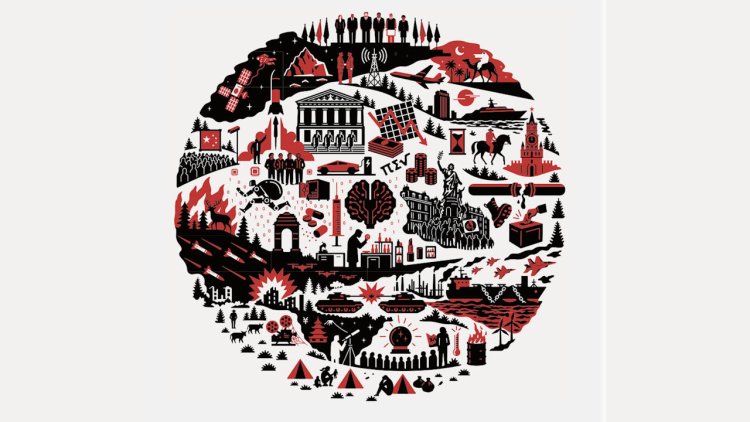
The Economist’s annual forecasting edition, "The World Ahead 2027" (released in November 2026), centers on a world navigating heightened geopolitical instability, sovereign debt strain, and the financial reckoning of artificial intelligence. The editors frame 2027 around 10 defining themes and predictions:
1. Geopolitics & Leadership Shifts
- The Transition to a "Post-Trump Era": As the race to succeed Donald Trump begins in the U.S., The Economist predicts he will not act as a traditional "lame duck," but rather as a disruptive force wielding executive decrees, legal battles, and military actions to maintain influence.
- Aftershocks from the Iran War: The fallout from the conflict with Iran continues to reshape Middle Eastern politics, disrupt energy flows, and create severe fertilizer shortages that threaten global food security. Meanwhile, America's traditional allies are growing more skeptical of U.S. reliability, while adversaries feel less deterred.
- Taiwan’s Moment of Peril: Xi Jinping previously set a 2027 readiness benchmark for China’s armed forces to be capable of taking Taiwan (coinciding with the People's Liberation Army's 100th anniversary). While not a guaranteed invasion date, military and economic tensions around the island reach a critical flashpoint.
- Europe’s Populist Right: Upcoming elections most notably in France, where a potential victory for Marine Le Pen looms could fracture the Franco-German engine that drives the European Union and trigger fresh anxieties over France's public finances.
2. Economics, Markets & Technology
- The Growing AI Backlash & Bubble Risk: While AI remains at the center of the global economy, The Economist warns that the risk of a market crash is rising. Tech firms are taking on massive, opaque debt to fund infrastructure, while chip shortages and electricity bottlenecks are forcing investment toward energy-rich regions (such as the Gulf states, Scandinavia, and Canada).
- Bond-Market Pressure: Wealthy governments including the U.S. and France are increasingly living beyond their means. Rising bond yields and heavy reliance on short-term government debt leave financial markets vulnerable to sudden drops in investor confidence.
3. Climate, Health & Culture
- Another "Hottest Year Ever": Driven by ongoing warming and strong El Niño patterns, 2027 is projected to set new temperature records alongside severe droughts, heat waves, and wildfires. Paradoxically, fossil-fuel volatility is accelerating renewable energy adoption primarily as an economic and national-security imperative.
- The "Ozempic Effect" on Consumer Habits: Beyond transforming healthcare and anti-aging medicine, widespread adoption of GLP-1 weight-loss drugs is reshaping retail and consumer behavior, sparking a spending boom in apparel, cosmetics, and fitness.
- Cheaper Access to Space: Falling launch costs are shifting space from pure scientific exploration toward commercial infrastructure including early efforts to deploy orbital data centers.
- Hollywood’s Renewal: After years of streaming wars, strikes, and audience fatigue, the entertainment industry faces a pivotal year in its struggle to reinvent its business model and win back viewers.
The cover of The Economist’s The World Ahead 2027 uses a stark red-and-black visual collage organized as a deliberate hierarchy: power, capital, and technology sit at the top, while conflict, displacement, and environmental fallout absorb the impact at the bottom.
1. Geopolitics & Power Shifts
- Formally Dressed Leaders & The Hourglass (Top): Signals the start of the "post-Trump era". As the race to succeed Donald Trump begins, the hourglass points to the ticking clock on his presidency and The Economist’s warning that rather than acting as a quiet lame duck, he will remain a disruptive force.
- A Rider Heading Toward a Kremlin-Style Tower: Represents ongoing friction with Moscow and the shifting balance of power in Eurasia as U.S. allies question American reliability.
- Chinese Flag, Fighter Jets, Tanks & Warships: Points directly to China’s 2027 readiness benchmark for its military (the 100th anniversary of the People's Liberation Army) and the acute flashpoint around Taiwan.
- Oil Tanker Wrapped in Chains: Symbolizes maritime chokepoints specifically the Strait of Hormuz and disrupted energy and fertilizer supply chains following the conflict with Iran.
2. Technology, Space & Markets
- Electronic Brain, Microchips & Robot (Center): Placed right at the core of the illustration to show artificial intelligence’s dominance over the global economy. Rather than pure optimism, The Economist pairs these with warning signs of an AI debt bubble, opaque financing, and cyber risks.
- Downward Financial Chart, Coins, Banknotes & Neoclassical Bank: Reflects sovereign debt strain and rising bond yields across wealthy nations (such as the U.S., France, and the U.K.) living beyond their means.
- Rocket, Satellite & Communications Tower (Upper Left): Represents the commercialization of space driven by lower launch costs, regular Starship flights, private space stations, and early plans for orbital data centers.
3. Elections, Health & Culture
- Ballot Box & Heavy Boot (Right Side): Captures the surge of Europe’s populist right most notably in France ahead of pivotal elections and voter backlash over immigration and strained public finances.
- Syringe, Pills & Capsules: Highlights the "Ozempic effect" how GLP-1 weight-loss drugs are reshaping consumer spending (apparel, fitness, cosmetics) while sparking renewed pharmaceutical investment into longevity and anti-aging treatments.
- Vintage Film Camera (Lower Section): Symbolizes Hollywood’s identity crisis as legacy franchises face audience fatigue, forcing studios to reinvent their business models against low-budget creator content.
4. Climate & The Human Toll
- Burning Landscapes, Tent Camps & Displaced Families (Bottom): Anchors the base of the cover to illustrate both the human cost of regional wars and the physical toll of climate change, as 2027 is projected to set another "hottest year ever" record marked by heat waves, droughts, and wildfires.
- The Crystal Ball: Serves as a self-referential nod to the magazine’s own forecasting tradition underscoring that while the warning signs are visible, how these interconnected crises collide in 2027 remains deeply uncertain.
What's Your Reaction?